Categories
development, relocationPublished October 24, 2025
EXCLUSIVE Tour of the New Streetcar Line


Kansas City's Main Street Streetcar Extension: Reconnecting Midtown After 70 Years
I've been covering the Main Street streetcar expansion for almost three years on this channel, and today is finally the day that Kansas City reconnects neighborhoods by rail that haven't been connected in over 70 years. Today I'm going to take you on a ride from Union Station all the way down to UMKC, joined by city leaders and officials who were instrumental in turning this vision into a reality.
This isn't just about a new transit line. It's about the future of neighborhoods and development across Midtown all the way down to the plaza and whether or not Kansas City can become a less car-dependent city. So, let's hop on and take a ride.
If you're considering moving to or around Kansas City, my team and I would love to help. We're a team of local realtors and we help people make those decisions every single day. Head over to movingtokc.net/info to get started.
Table of Contents
- Eight Years in the Making: The Journey to Opening Day
- Why This Matters for Kansas City's Transit Future
- Connecting Neighborhoods: From Downtown to UMKC
- Economic Impact: What the Starter Line Taught Us
- The Road Diet Controversy: Rethinking Main Street
- What's Next: Riverfront Extension and Beyond
- Development Potential Along the Route
- Living Without a Car in Kansas City
- Eight Years in the Making: The Journey to Opening Day
Over eight years from the planning to the funding to the utility work. So 8 years and even the plans and the visions for Midtown were percolating well before that. This is really a 20-year vision that's finally coming to life for Main Street.
What was the biggest challenge during that 8-year period? According to city officials, it's the staying power of advancing a project that costs money. It takes voter support and approval. It takes multiple administrations, mayoral and city council, to stay the course and see the plan to fruition.
One of the challenges was meeting the expectations of what the starter line did. It was very successful, and continuing that momentum was crucial. Some of the other early challenges included deciding whether to have the rails on the inside or outside of the corridor. These are the same challenges that come with retrofitting a new transportation mode in an existing urban corridor.
The result? A $352 million investment in transit connectivity and access that reconnects Kansas City's core neighborhoods in a way that hasn't been possible in over 70 years.
- Why This Matters for Kansas City's Transit Future
Kansas City is not necessarily known for its robust public transportation system. We used to have a really robust streetcar system back in the day, but what does this particular Main Street line mean for the city?
First and foremost: connections. Much like the starter line connected convention centers, business districts, and the River Market, this extension connects Midtown, the Plaza, and the universities. It's a generational reconnection of our two largest job centers through our densest neighborhoods.
It's no longer just a downtown streetcar thing. This is the spine of a regional system. We're spreading the impacts, spreading the benefits that we've seen downtown in terms of connectivity, access for residents, employees, and visitors, and really putting a stake in the ground for new development and investment.
The goal is to bring people and jobs back to the core of our city, and this is a big lever that's going to help us do that.
- Connecting Neighborhoods: From Downtown to UMKC
The Main Street extension runs from Union Station all the way down to UMKC, passing through some of Kansas City's most iconic neighborhoods and landmarks.
You'll ride past the KCTV tower, the largest freestanding steel structure when it was built. You can take the streetcar right through here, check it out at night, maybe going to or from a concert at the World War I Museum or Union Station.
The line connects truly authentic places, some of the best of what defines Kansas City. We're adding Midtown, Westport, Nelson-Atkins, the Kauffman Center, the Plaza, and our largest university in UMKC to the downtown experience. That's the story.
When we built the starter line, we had almost double the expected ridership and north of $3 billion of investment. We expect and believe that's just going to continue with the Main Street extension, especially when you consider we're connecting to hospitals and schools. That's ridership we're going to see, and with ridership comes development.
One city official shared a memorable story: "I'll never forget with the starter line, we had an out-of-town developer in and I asked him, 'Are you really going to invest because we're building streetcar?' And he said, 'We were always thinking about investing in Kansas City, but when we heard you were going to build a streetcar, we had to invest in Kansas City.'"
- Economic Impact: What the Starter Line Taught Us
Here's a fun fact about the original streetcar line: the first 3 years after it opened, it generated 65% tax revenue increase in sales tax revenue for the downtown corridor compared to just 16% for the rest of Kansas City. That just goes to show you what this transit and public transportation can do.
When the starter line opened, we carried over 2 million people in the first year and saw almost a 50% increase in sales tax revenues to downtown businesses along the streetcar route because people were exploring parts of our city they had never explored before.
People downtown were going to the River Market, they were going to the Crossroads, they were going to two or three destinations instead of just one. The streetcar made Kansas City more accessible and connected.
When you drive the Main Street line, you see there's a lot of good bones. We have a lot of good communities and neighborhoods and businesses on the corridor, but at the same time, there are a few spots that are going to lend themselves to something better and a better use.
- The Road Diet Controversy: Rethinking Main Street
One of the things that's different with this extension is the designated streetcar lanes in Midtown. There's been some controversy about restricting lanes through Midtown on Main Street, so what do city officials say to people who are nervous about this?
"Our city has overbuilt the roadway network for generations because we were focused on getting people out of downtown as fast as possible. We had six lanes of traffic at 40 to 50 miles an hour. It wasn't friendly for pedestrians. It wasn't friendly for street retail. It was auto-centric. And that's not what anybody wants Main Street to be."
The goal is for Main Street to be a walkable, pedestrian-friendly, safe environment. Road dieting the street, expanding sidewalks, adding green infrastructure, over 100 trees up and down Main Street have been added as part of this project.
This is about creating a street that works for everyone: efficient streetcar service with priority lanes while also maintaining the capacity and access needed for automobile travel. The investment isn't just in rails, it's in reimagining what Main Street can be.
- What's Next: Riverfront Extension and Beyond
The streetcar vision has always been to build a spine and grow the downtown line. We're the show-me state, and we've proven downtown that there are great benefits from improved transit connectivity and access. We're growing south to UMKC, and yes, we're growing north to the riverfront.
The riverfront extension project is over 95% constructed. They're getting ready to test streetcars down to the riverfront, which will be the first time in Kansas City's history that we've ever had streetcars on the riverfront. They're on pace for a first quarter opening of 2026, hoping for the February-March time frame, well in advance of the World Cup.
But what about extending north of the river or adding east-west lines? There's been conversations about these expansions, and there's currently a study going on for 18th and Vine.
According to city officials, the streetcar is going to continue to grow. These things take a long time, but regions evolve and change over time. Transportation systems are really a leading indicator of that evolution. For Kansas City, it's about what we want to be in 50 years and what's the role of public transit.
As the streetcar spine grows on Main Street, the magnetic pull of the system and the attractiveness and desire for other parts of our community to be connected are going to grow too. That appetite for connectivity and linkage, for people wanting to be part of this, will motivate us to do the hard things.
Kansas City can't settle. We didn't want to settle on a two-mile streetcar and we don't want to settle on a 6.5-mile spine. Our city deserves more than that, and there are great opportunities to grow it in the future.
- Development Potential Along the Route
So looking ahead to 2035, what will success look like for this project?
City officials point to a reinvigorated Midtown with people on the street, businesses occupied, new buildings taking the place of surface parking lots or dilapidated structures. A healthy, vibrant neighborhood that's safe and that people want to live in.
This has never been about the shiny streetcar. It's always been about what we're creating as a city and how the streetcar and transit investment can help us move the needle on creating a really great place to live, work, and play.
Success means a vibrant Main Street with people walking, biking, using streetcar, but also seeing the growth and development around the line that we know is going to come in the very near future.
There are a few areas in particular where vacant lots could become high-rises, condos, or businesses. If there is more development, that means there's more ridership, and that means this investment was a success.
The neighborhoods to watch over the next decade? Union Hill, Midtown, Brookside, and the Plaza. These are the areas that will see the most transformation as the streetcar brings new connectivity and development opportunities.
- Living Without a Car in Kansas City
One city official shared a personal perspective: "My kids are in college, and I kind of wished we had a few more years because they went away to college and I think maybe one or more would have decided to stay if they could go to school here and not have a car. That's really the key. When this extension's open, you're going to be able to live here without a car if you so choose."
The line now includes churches, hospitals, hardware stores, grocery stores, everything you need for daily life. This is huge for families considering Kansas City.
For families like mine with three boys nine and under living in Waldo, we're super excited about this project. We can ride the trolley trail on our bikes, hop on the line at UMKC, and go to the riverfront next year. Hopefully that'll encourage them to stay and stick around when they're college-ready.
The Future of Kansas City Transit
The Main Street extension is open, and it's going to change the way people experience Kansas City and the neighborhoods along its route. From Union Station to UMKC, from the Nelson-Atkins to the Plaza, Kansas City is reconnecting its core in a way that hasn't been possible in generations.
Kansas City is big enough to handle major events and have professional sports and all that, but we're small enough to still care about the neighborhoods and the people. It's a very exciting time to live and work in this city.
If you're considering a move to Kansas City or you're just trying to find your next neighborhood, we would love to help. Head over to movingtokc.net/info to get started. We help people navigate these transitions every single day.
The Union Hills, Midtown, Brookside, and Plaza neighborhoods are the ones you're going to want to watch over the next decade. The streetcar isn't just changing how we get around. It's changing what Kansas City can become.
Thanks for reading, and I'll see you in the next one.
Hey, I’m Kyle Talbot—Kansas City real estate agent, content creator, and team lead of Moving to KC the #1 relocation-focused real estate team in Kansas City. We help people relocating to Kansas City—as well as local buyers and sellers—navigate the KC housing market with ease.
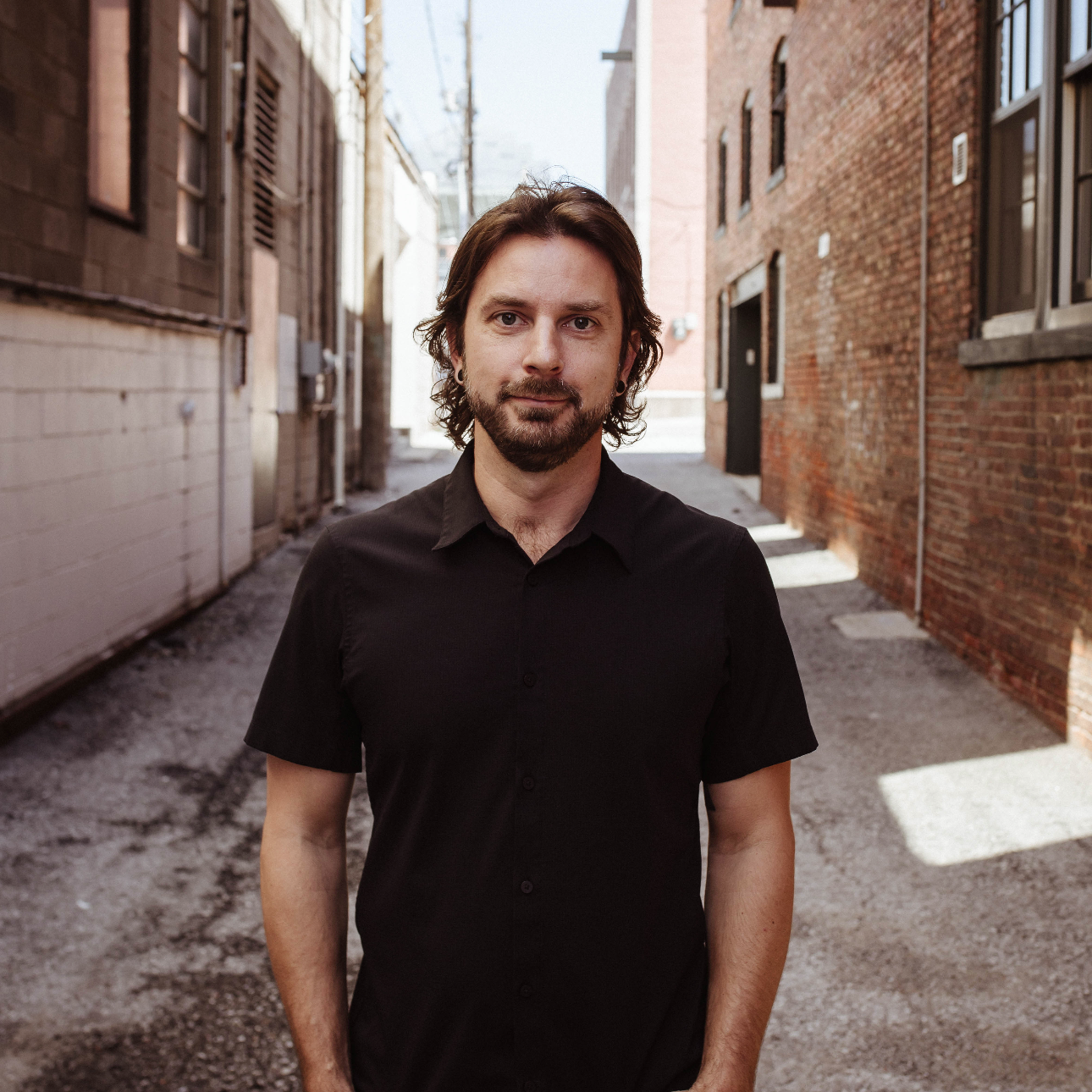
Kyle Talbot
Owner + Agent + Waldo Mayor + KC Hype Man | Moving to KC | KW Kansas City Metro
or another way