
Categories
development, economy, start here, taxes, relocation, neighborhoods, market updatePublished January 27, 2026
If I Were Moving to KC in 2026, I'd Live Here

If I Were Moving to Kansas City in 2026, I’d Live Here
If I were moving to Kansas City in 2026, I wouldn’t start by looking for the “best” neighborhood on paper. I wouldn’t just chase school rankings or the prettiest houses.
I’d follow the development.
Kansas City is at a real inflection point right now. The neighborhoods getting serious infrastructure investment are shaping what this city will look like for the next decade. Not speculative projects. Not hype. Actual money already on the ground. Streetcar extensions. Billion-dollar mixed-use developments. Downtowns filling up before construction even finishes.
My family and I are living this decision in real time. We’re in a 1,700-square-foot house in Waldo with three boys, and we’ve officially outgrown it. We love where we are, especially now that the Main Street streetcar extension opened nearby and changed how connected this area feels. But we’re torn. Do we move farther out for space, or do we hold out and stay close to the energy?
So if I were moving to Kansas City in 2026, here’s exactly where I’d focus, based on how the city is actually growing.
The Rule I’d Follow: Track Real Infrastructure
Here’s my philosophy. Follow development that already exists.
When a city invests hundreds of millions into transportation, when billion-dollar projects are actively under construction, when school districts show decades of consistency, that’s not luck. That’s a pattern.
Kansas City is in a unique moment. Inventory is higher than it’s been in years, which means there are real opportunities. But that opportunity is not evenly spread. Some outer-ring suburbs that boomed during the COVID years are already cooling. If the economy slows, those areas are usually hit first because commercial development stalls.
The strongest plays right now are tied directly to infrastructure.
Let’s break it down by lifestyle.
Want City Living Without a Car? Follow the Streetcar
If urban living is your goal, the streetcar matters more than anything else.
The Main Street extension now runs from downtown to UMKC, connecting the River Market, Crossroads, Midtown, the Plaza, and everything in between. The next phase, the Riverfront extension to Berkley Riverfront, is more than 95 percent complete and set to open soon.
Brookside and Waldo benefit from this even though they’re not directly on the line. The southern anchor stops at UMKC, which puts energy, connectivity, and demand right at the edge of these neighborhoods.
But if you’re moving here fresh and want a true car-light or car-free lifestyle, I’d focus on Plaza, Midtown, Crossroads, River Market, or Berkley Riverfront.
This lifestyle simply didn’t exist in Kansas City five years ago. Now it does.
Berkley Riverfront Is the Biggest Transformation in the City
If I wanted to be at the center of Kansas City’s next chapter, Berkley Riverfront would be on my shortlist.
For decades, the city turned its back on the Missouri River. That’s finally changing. Between the KC Current stadium and a billion-dollar mixed-use development already under construction, this area is becoming a true urban district.
Phase one alone includes apartments, restaurants, retail, a riverfront promenade, and public green space, all connected directly to downtown by the streetcar. The projected economic impact is more than $210 million over 30 years from phase one alone.
This isn’t a concept. It’s already happening.
Lee’s Summit Is the Suburban Play People Overlook
If city living isn’t your thing and you want space, schools, and a downtown that actually feels alive, Lee’s Summit stands out.
Downtown Lee’s Summit just completed phase one of the $41 million Green Street project. There’s an indoor farmers market with nearly 50 vendors, outdoor performance space, public art, and more phases planned.
Then there’s Discovery Park. A $1 billion development already under construction with nearly four million square feet of retail, office, entertainment, housing, hotels, a lake, and major amenities.
Homes near downtown still offer strong value, roughly $350K to $500K for walkable options. You get highly rated schools, steady appreciation, and a city that’s clearly investing in itself.
Lenexa City Center Is a Blueprint for Modern Suburbs
Lenexa doesn’t always get the spotlight, but it should.
Lenexa City Center is a fully planned downtown, and it works. Restaurants, shops, events, civic space, and one of the best farmers markets in the metro.
What really sets Lenexa apart is access to parks. Sar-Ko-Par Trails, Mill Creek Streamway, Black Hoof, and Shawnee Mission Park are all close, and Shawnee Mission Park alone is one of the largest and best in the region.
Homes near City Center are typically $400K to $600K, but you’re buying Johnson County schools and a thoughtfully designed community.
Kansas Side Classics That Keep Winning
If schools are your top priority, the Kansas side continues to deliver.
Prairie Village offers a Brookside-like feel with strong appreciation. Home values are up over 40 percent in five years, with a typical value around $464K.
Leawood provides more space and long-term stability. Typical values are around $751K, with strong five-year growth.
Fairway is smaller and quieter, positioned between the Plaza and Prairie Village, offering walkability and a tight-knit neighborhood feel with values around $600K.
These areas aren’t flashy. They’re consistent, which matters.
Overland Park Depends on Where You Look
Overland Park is really two markets.
North OP, especially north of 83rd and east of Metcalf, blends into Prairie Village and Leawood with mature trees and older homes. Downtown Overland Park is also getting a major farmers market investment.
South OP is where Blue Valley schools dominate demand. Communities like LionsGate attract relocating families who want space, amenities, and top-tier schools. Homes are larger, often over 2,500 square feet, and the value makes sense for buyers coming from larger metros.
Parkville Is the Fresh Start Pick
If I were brand new to Kansas City with no ties, Parkville would be high on my list.
Downtown Parkville overlooks the river, has local coffee shops and restaurants, and sits right next to English Landing Park. Park Hill schools are excellent, the airport is 15 minutes away, and downtown KC is about 20 minutes.
You can find everything from historic homes to acreage to neighborhoods like The Bluffs, tucked into wooded hills just above downtown.
My Final Take
My wife and I are still deciding. Waldo feels more connected than ever. My kids’ school is across the street. But space matters, and private school tuition for three kids adds up quickly.
Prairie Village and Leawood keep pulling us back because we wouldn’t lose the community we’ve built.
That’s the beauty of Kansas City right now. There are real options, real inventory, and real opportunities if you pay attention to where the city is investing.
If I were moving to Kansas City in 2026, I’d follow the infrastructure. I’d follow the streetcar. I’d follow billion-dollar developments already under construction. I’d follow school districts with long track records.
Those are the neighborhoods that protect your investment and improve your quality of life, whether you’re here for three years or thirty.
If you’re thinking about moving to Kansas City, my team and I would love to help. Head to movingtokc.net/info or email info@movingtokc.net and we’ll walk through your options together.
Kansas City is changing fast. The key is knowing where that change is actually happening.
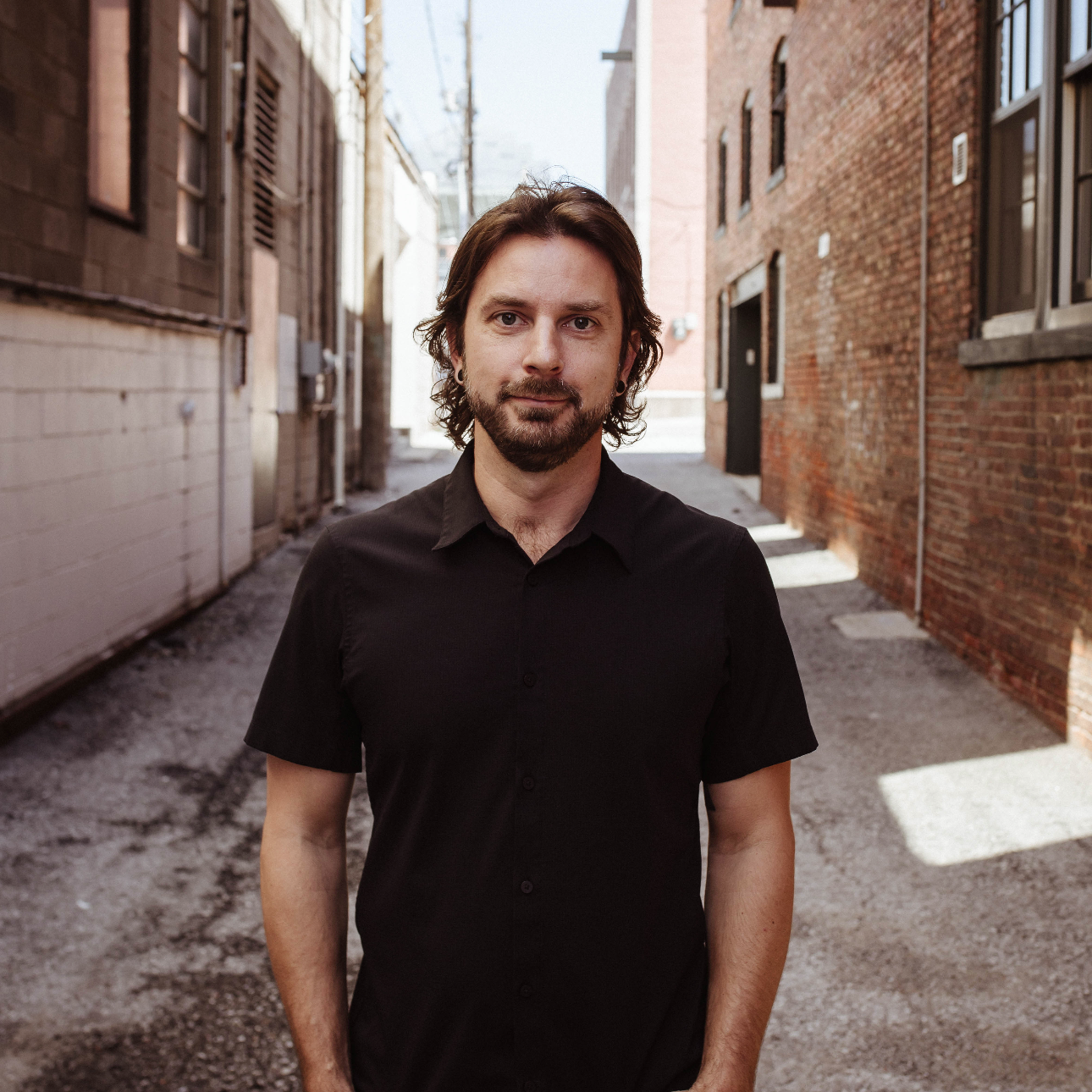
Kyle Talbot
Owner + Agent + Waldo Mayor + KC Hype Man | Moving to KC | KW Kansas City Metro
or another way